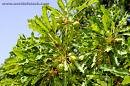
 Shea butter, sometimes called shea nut butter, is a common natural fat used in soap, lotion and cosmetic formulations.
Shea butter is derived from the fruit (kernel, nut, seed) of the shea tree, strictly from West Africa. The harvest process is a female activity, and is very beneficial to the West African economy. A 20 year old shea tree begins to produce the shea nut. Shea trees, interesting enough, do not reach full production until they are 45 years old!
The fruit of the shea tree contains 50% fat, yellowish or ivory shea butter, which is obtained through a crushing and boiling process.
One surprising fact about shea butter is that it is also used for cooking in West Africa. Some use shea butter as a substitute for cocoa butter in chocolate.
Shea butter contains antioxidant properties, such as vitamin A and E. It is a moisturizer and emollient. Shea butter is used to treat scars, eczema, burns, rashes, blemishes, dry skin, itching, skin allergies, and wrinkles.
Speaking of allergies, there is debate regarding allergic reactions to shea butter. Even though shea butter is derived from the nut of the shea tree, many say that the nut does not fall into the “normal” category of nut allergy families. If you have an allergy to nuts, I would advise talking to your allergist prior to using a product that contains shea butter.
Did you know that shea butter, when applied directly to the skin, can provide a light ultraviolet protection, sometimes as high as SPF6? Do not count on it as an ultimate natural sun protection product, as the SPF value does vary.
As promised, I will be following up with an ingredient article on palm oil. It is taking a bit more research, but it is on the way.

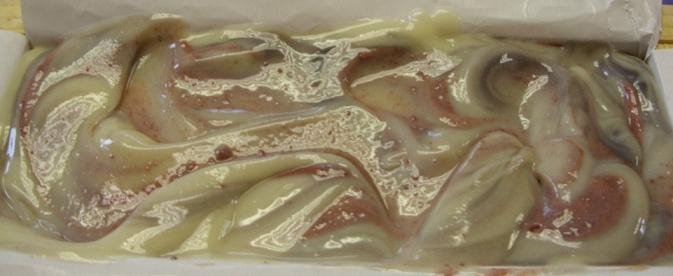
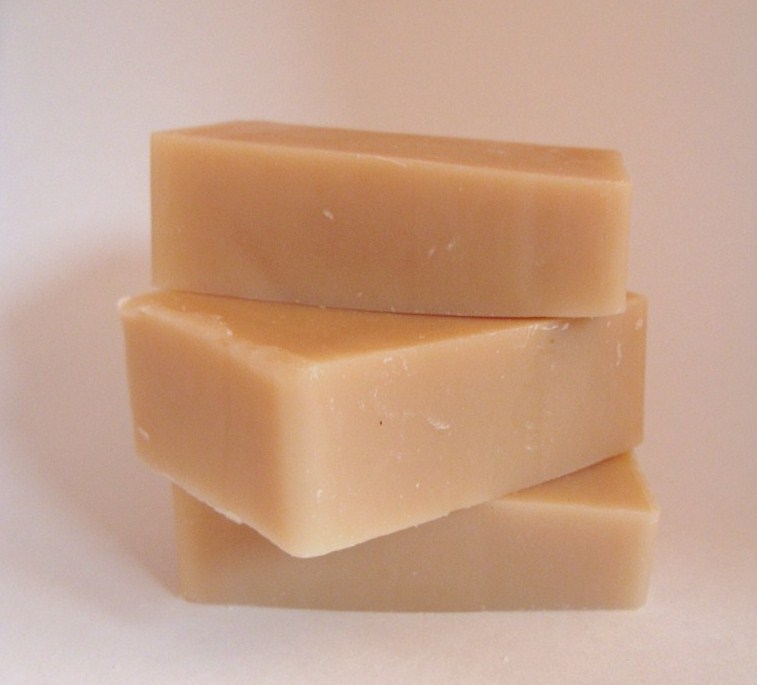
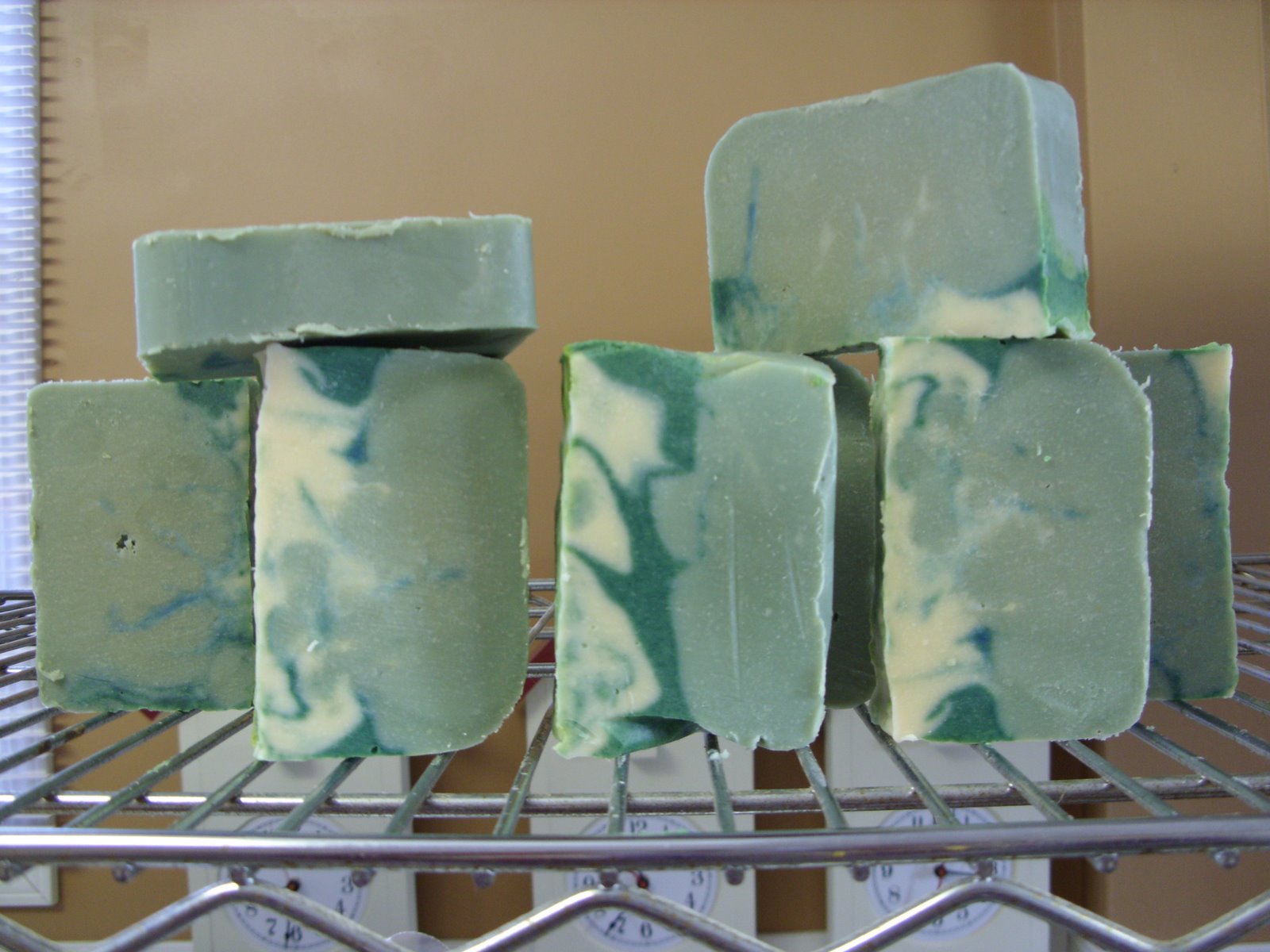








 Annies Goat Hill Handcrafted Soaps